Wisdom Teeth Removal and Dry Socket: Prevention Tips
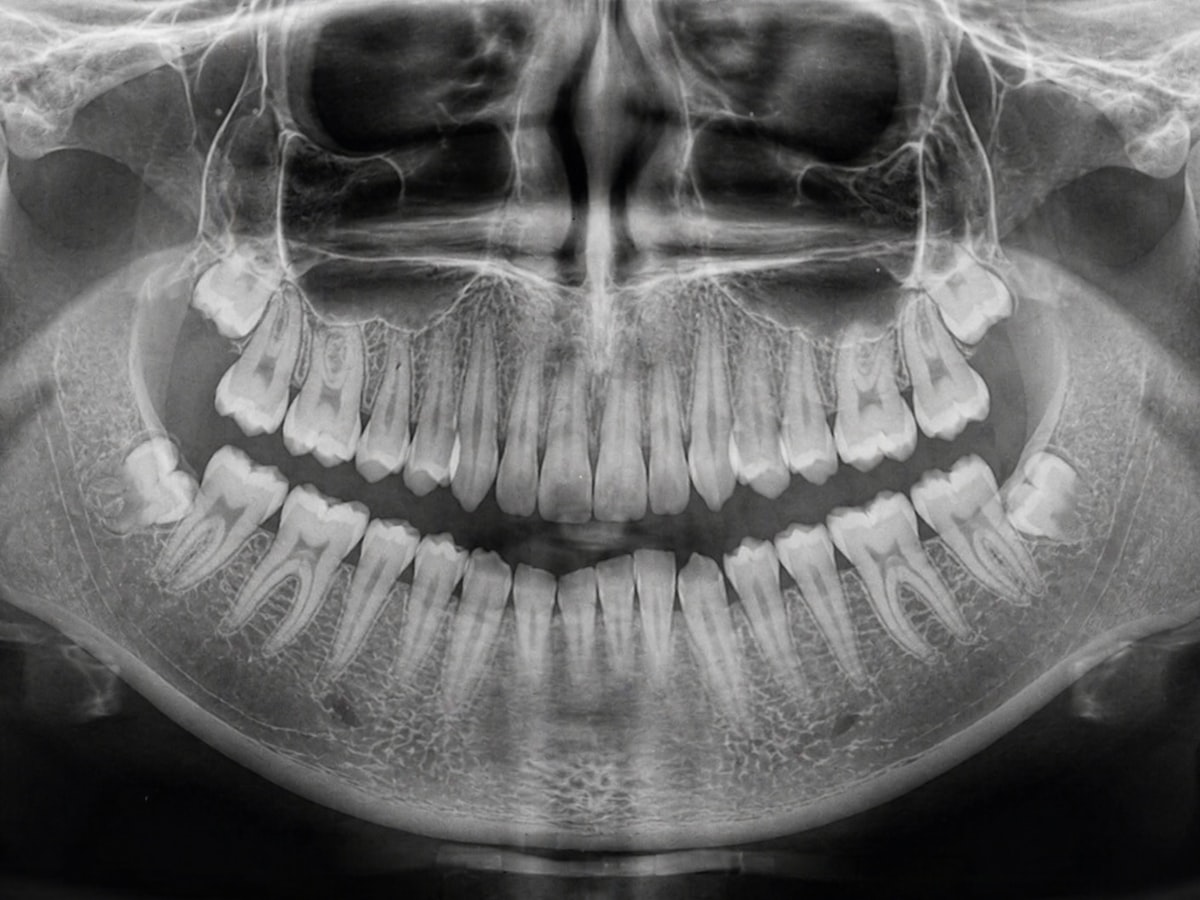
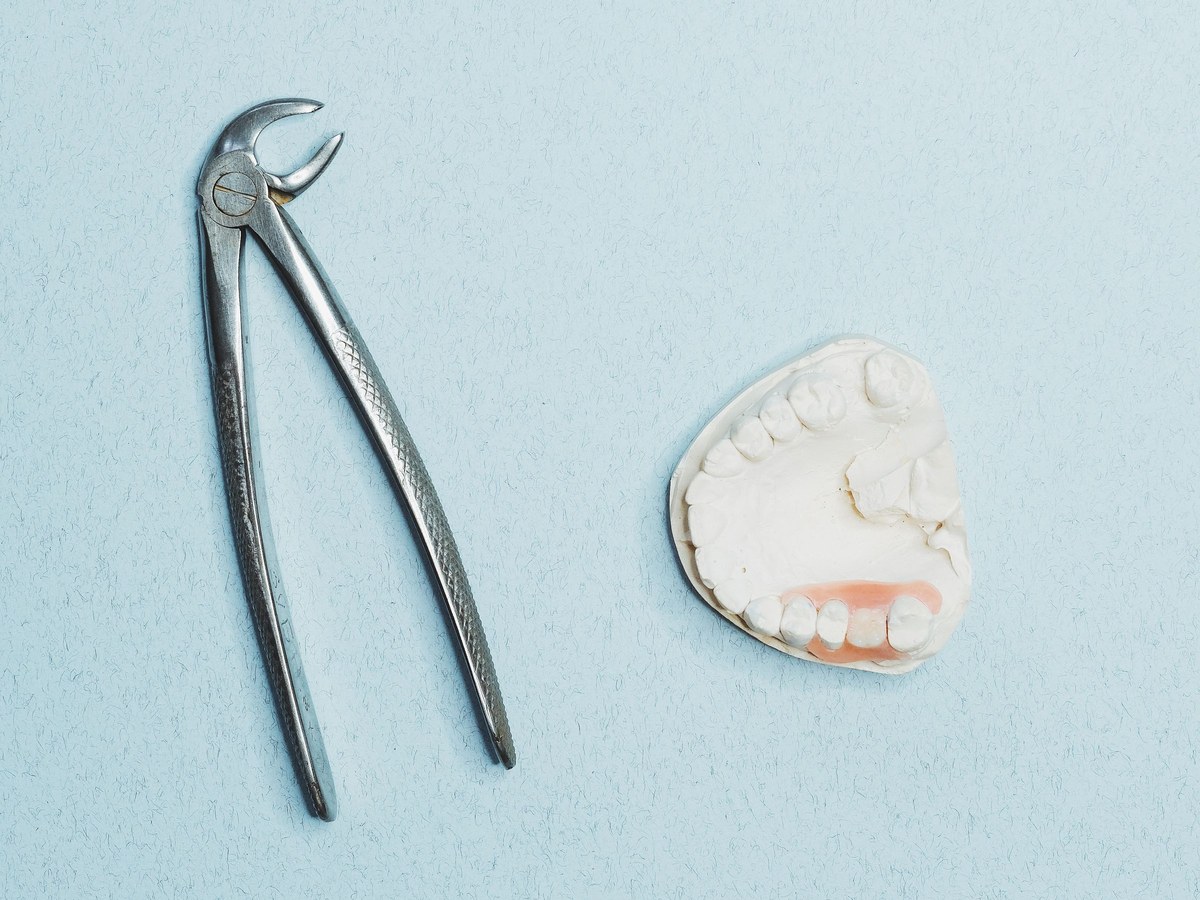
Wisdom teeth removal is one of the most common oral surgery procedures, yet it still catches many people off guard. Not because the surgery itself is unusual, but because the recovery can feel deceptively manageable at first. A patient leaves the office numb, a little groggy, often relieved that the hard part is over. Then, two or three days later, the real test begins. Swelling peaks, eating feels awkward, sleep gets interrupted, and every small sensation in the mouth starts to feel significant.
Among the complications people worry about most, dry socket sits near the top of the list. The reason is simple. It hurts, it can derail an otherwise routine recovery, and in many cases it is at least partly preventable. Patients often hear a quick warning about straws and smoking, but the explanation tends to be so brief that it does not really stick. Good prevention depends on understanding what the extraction site needs in the first few days and what can interfere with healing.
A smooth recovery after wisdom teeth removal usually comes down to protecting the blood clot, managing inflammation, and avoiding unnecessary stress on the surgical sites. Those three ideas sound basic, but they shape nearly every instruction your surgeon gives you.
What dry socket actually is
After a tooth is removed, the body forms a blood clot inside the empty socket. That clot is not just a byproduct of surgery. It is the first layer of healing. It covers exposed bone and nerve endings, supports the tissue underneath, and creates the protected environment the body needs to repair itself.
Dry socket, also called alveolar osteitis, happens when that clot either never forms properly, dissolves too early, or gets dislodged before the tissue underneath has started to close over. When that protection is lost, the underlying bone and nerves are exposed. That is why the pain is so distinct. It is often not just soreness from surgery. Patients describe it as deep, throbbing, radiating pain that can travel toward the ear, temple, or jaw.
Not every uncomfortable extraction site is a dry socket. This matters because many people assume any pain on day three means something has gone wrong. Normal recovery often includes swelling, stiffness, tenderness when opening the mouth, and a dull ache that improves gradually. Dry socket tends to feel different. The pain often worsens instead of easing, and it may come with a bad taste or unpleasant odor from the socket. The site can look empty or appear to have a whitish bony surface rather than a dark clot.
The timing is another clue. In many cases, dry socket develops around the second to fifth day after surgery. That is the window when patients begin to relax their habits, chew a little more confidently, or stop paying close attention to aftercare. Unfortunately, that is also the period when the clot is most vulnerable.
Why wisdom teeth are especially prone to it
Dry socket can follow the removal of any tooth, but wisdom teeth, especially lower wisdom teeth, bring a few extra challenges. Their position far back in the mouth makes the area harder to keep clean without disturbing it. Surgical removal can be more involved than a simple extraction, particularly if the tooth is impacted or covered by gum tissue or bone. More manipulation means more tissue trauma, more inflammation, and sometimes a more delicate early healing phase.
There is also a practical issue. The back of the mouth is where food tends to collect, where the tongue keeps probing, and where chewing pressure can become concentrated once patients begin eating more normally. I have seen patients do nearly everything right, only to irritate the site repeatedly because they keep checking it with their tongue. It sounds harmless, but the tongue is persistent, and those tiny repeated movements matter.
Certain patients face a higher baseline risk. Smoking is a major one. Oral contraceptive use may also be associated with increased risk in some cases, likely due to hormonal effects on healing and clot stability. A history of previous dry socket can raise concern as well. So can poor oral hygiene, difficult extractions, and conditions that interfere with healing.
That does not mean dry socket is inevitable in those situations. It means the margin for error is smaller, and aftercare needs to be stricter.
The first 24 hours set the tone
The earliest phase after wisdom teeth removal is when prevention has the most leverage. During this period, the extraction site needs quiet. Not perfect stillness, which is impossible in a functioning mouth, but as little disruption as possible.
Right after surgery, controlled biting pressure on gauze helps a clot form. Many patients make one of two mistakes. They either change the gauze too frequently because they dislike the taste of blood, or they leave it in too long once active bleeding has slowed. In general, firm but gentle pressure for the period your surgeon recommends is more useful than constant checking. Every time the gauze is lifted, the site gets disturbed.
During the first day, blood-tinged saliva is common. People often mistake this for active bleeding and start spitting aggressively. Spitting is exactly what you want to avoid. The force created inside the mouth can loosen a fresh clot. The same principle explains why straws are discouraged. It is not about the straw itself. It is the suction.
One of the most practical pieces of advice I give patients is this: for the first day, think low pressure and low drama. Sip from a cup. Let saliva fall from the mouth if necessary rather than forcefully clearing it. Rest with your head elevated. Keep your activity level modest. Heavy exercise, bending, and straining can increase bleeding and make clot formation less stable.
Habits that raise the risk without people realizing it
Most people know smoking is a problem after an extraction, but fewer appreciate how many ordinary behaviors can also work against healing. Some are obvious once explained. Others seem trivial until you see their effect over and over.
The most common troublemakers are:
- Using a straw, spitting forcefully, or rinsing too hard in the first few days
- Smoking or vaping, even briefly, during early healing
- Eating crunchy, sharp, or crumbly foods that strike the socket
- Probing the area with the tongue, fingers, or a toothbrush
- Returning to strenuous activity too quickly
Smoking deserves special attention because it combines several risks at once. The suction from inhaling can disturb the clot. Heat and chemical exposure may impair tissue healing. Smokers also tend to cough more, which adds sudden pressure changes. Vaping is not a safe workaround. Patients sometimes assume it is gentler because there is no smoke, but the suction issue remains, and nicotine itself can narrow blood vessels and reduce healthy blood flow to the area.
Food texture matters more than many people expect. Tiny seeds, rice grains, toast crust, tortilla chips, and popcorn are frequent offenders. They are small enough to drift into the surgical area and irritating enough to trigger soreness or inflammation. I usually find that people do best when they stop trying to eat "almost normal" too soon. Soft foods for a few days are not just about comfort. They are about protecting the site while it is still vulnerable.
What smart prevention looks like in real life
Good aftercare is not just a list of forbidden actions. It is a practical routine that supports healing without making the patient miserable. The ideal plan is simple enough to follow when you are tired, sore, and hungry.
For most healthy adults, the pattern looks like this. On the day of surgery, rest, manage bleeding as instructed, use cold packs in intervals if recommended, and keep food cool or lukewarm and very soft. Pudding, yogurt, applesauce, mashed potatoes, smoothies eaten with a spoon, scrambled eggs, and soups that are not hot are often well tolerated. The next day, continue with soft foods, begin gentle oral hygiene around the area, and start any saltwater rinses only when your surgeon advises. Over the next several days, increase food texture slowly rather than all at once.
Pain control matters too, because unmanaged pain changes behavior. A patient who is hurting tends to clench, sleep poorly, skip fluids, and fuss with the area. Taking prescribed medication or approved over-the-counter pain relievers on schedule for the first day or two is often more effective than waiting until pain is severe. Once pain spikes, people are often chasing it rather than controlling it.
Hydration is another underrated factor. A dry mouth feels sticky and uncomfortable, and patients often respond by rinsing too much or by swallowing awkwardly. Sipping water regularly keeps the mouth more comfortable and makes normal healing easier. Just keep the sipping gentle and avoid the straw.
Cleaning the mouth without disturbing the clot
Patients often get mixed messages about oral hygiene after wisdom teeth removal. They are told to keep the mouth clean, but also not to bother the site. Both are true.
The answer is controlled gentleness. Teeth that were not operated on still need to be brushed. Plaque does not take a recovery day. A dirty mouth increases bacterial load and can aggravate surrounding tissues. The key is to brush the rest of the mouth normally enough to maintain hygiene while treating the surgical area with caution. A soft toothbrush is usually best. Short strokes, no jabbing, and no direct scrubbing into the socket.
Rinsing should feel more like Wisdom Teeth Removal bathing the mouth than blasting it. If your surgeon recommends saltwater rinses, they are usually started after the first 24 hours, though instructions vary by case. The water should be warm, not hot, and the motion should be gentle. Tilt your head, let the liquid roll around, then let it fall out rather than spitting forcefully. That small distinction can protect the clot.
Some patients are given a syringe to irrigate the site after a few days, especially after lower wisdom teeth removal where food trapping is common. Timing matters here. Irrigating too early can be disruptive, while starting at the right point can prevent debris accumulation and odor. This is one area where you should follow your surgeon's instructions closely rather than copying a friend's routine. An uncomplicated extraction and a deeply impacted wisdom tooth are not managed the same way.
The role of food, sleep, and physical activity
Recovery advice often focuses on what not to do, but healing is also helped along by a few basic supports that patients sometimes neglect.
Adequate calories matter. A surprising number of patients, especially teenagers and young adults, barely eat for the first two days because chewing feels intimidating. Then they get lightheaded, dehydrated, irritable, and more sensitive to pain. Soft food does not need to mean minimal food. Protein shakes taken with a spoon, Greek yogurt, oatmeal once tolerated, soft pasta, cottage cheese, blended soups, and mashed vegetables can provide enough energy without stressing the sites.
Sleep affects healing more than people realize. A rough first night is common, especially if there is oozing or swelling, but protecting sleep helps regulate inflammation and pain perception. Elevating the head with an extra pillow can limit throbbing. Taking pain medication before bed, if approved and needed, often prevents the 3 a.m. Wake-up that turns the next day into a struggle.
Exercise should wait longer than highly motivated patients like to admit. A light walk is one thing. Heavy lifting, intense cardio, contact sports, and hot yoga are another. Increased heart rate and blood pressure can restart bleeding and destabilize early healing. For many people, waiting several days before resuming strenuous activity is a worthwhile trade-off. Competitive athletes are often the hardest to convince, but they are also the ones most frustrated when they push too soon and set themselves back.
Signs that suggest dry socket rather than normal healing
Because some discomfort is expected after wisdom teeth removal, the real question is when pain stops being routine. The pattern matters more than any single number on a pain scale.
Watch for these signs:
- Pain that becomes significantly worse two to five days after extraction
- Pain that radiates to the ear, temple, or along the jaw
- Bad breath or a foul taste that does not improve with gentle cleaning
- An extraction site that looks empty or shows exposed bone
- Pain medication that suddenly seems far less effective than before
Swelling alone does not prove dry socket. Mild bad taste from normal healing does not either. But the combination of worsening pain, classic timing, and an empty-looking socket is enough to call your oral surgeon or dentist promptly.
One practical point often surprises patients. Dry socket is painful, but it is not usually an emergency in the life-threatening sense. The goal of urgent contact is pain relief and local treatment, not panic. Dentists and oral surgeons see this complication regularly. If it happens, there is a standard way to manage it.
What treatment usually involves
When a patient comes in with suspected dry socket, the clinician will examine the area, confirm the diagnosis, and make sure another issue, such as infection or retained debris, is not driving the pain. Treatment often involves gently irrigating the socket and placing a medicated dressing that soothes exposed bone and nerve tissue. Relief can be dramatic, sometimes within minutes or hours, though some cases require repeat dressing changes.
Patients are sometimes disappointed to learn that treatment does not "close the socket" instantly. That is not the purpose. The purpose is to reduce pain while the body continues healing. The socket still needs time to fill in naturally.
Antibiotics are not automatically required for dry socket because it is not simply a standard infection. They may be used if there are signs of infection or other reasons for concern, but many dry socket cases are handled primarily with local care and pain control.
When prevention needs to be stricter
Not every case of wisdom teeth removal is the same, and blanket advice can fall short. A healthy 17-year-old having two upper wisdom teeth removed under local anesthesia may recover quickly with little trouble. A 34-year-old smoker having all four removed, including two deeply impacted lowers, has a different risk profile.
If you know you have factors that complicate healing, it makes sense to tighten the routine. That may mean arranging softer meals in advance, planning a longer break from workouts, being especially disciplined about nicotine avoidance, and keeping follow-up instructions visible rather than relying on memory. It is easy to overestimate how well you will remember postoperative guidance when you are tired and numb from surgery.
I have seen excellent recoveries in patients who looked high-risk on paper because they took instructions seriously. I have also seen setbacks in low-risk patients who felt so fine on day one that they returned to normal behavior almost immediately. Healing after wisdom teeth removal rewards caution more than confidence.
Questions patients often wish they had asked sooner
One recurring theme in postoperative calls is that patients hesitate because they do not want to overreact. They wonder whether the socket looks strange, whether the taste in the mouth is normal, whether they can eat something slightly more solid, or whether the ache they feel is expected. Those are reasonable questions. A short call to the surgical office is often far better than guessing.
A patient once described it perfectly after an otherwise smooth recovery. She said the hardest part was not the soreness. It was not knowing which sensations mattered. That is why context matters so much. A little pink saliva on the first day is usually normal. A hard rinse on the first night is not. Mild soreness when opening wide can be ordinary. Sharp escalating pain to the ear on day four deserves attention.
The difference between routine healing and dry socket is not always obvious from a single symptom in isolation. It is usually the pattern, the timing, and the trajectory.
The simple rule that prevents many problems
If there is one principle that ties all of this together, it is this: protect the clot until your body no longer depends on it. Nearly every prevention tip after wisdom teeth removal points back to that goal. Avoid suction. Avoid trauma. Avoid Wisdom Teeth Removal heat, friction, and pressure that do not need to be there. Keep the mouth reasonably clean, stay hydrated, eat soft foods, and let the site settle.
That approach is not glamorous, and it is not complicated. It is patient, restrained care during a short window when the tissues are trying to organize themselves. Most dry sockets do not happen because the body failed completely. They happen because an early healing site was asked to withstand more force or irritation than it could tolerate.
Wisdom teeth removal recovery is temporary. Dry socket, while painful, is also temporary and treatable. The best outcome comes from respecting the first few days, even if you feel better faster than expected. In oral surgery, the days when you think you can probably loosen up are often the days when discipline matters most.
Oxnard Dentistry
1730 E Gonzales Rd, Oxnard, CA 93036, United States
+1 805-307-8731
FAQ About Wisdom Teeth Removal
How painful is it to remove a wisdom tooth?
Local anesthetic numbs the area during extraction. Pressure may still be noticeable; tell the dentist if you feel pain. Soreness and swelling afterward are common. Follow the pain-control instructions provided for your situation.
How long is recovery for wisdom teeth extractions?
Recovery varies with the tooth position and complexity of the extraction. Some people resume routine activities quickly, while others need several days of rest. Soreness, swelling and jaw stiffness can last up to two weeks. Follow your clinician's aftercare and activity advice.
What are the risks of wisdom tooth removal?
Possible complications include dry socket, infection, persistent bleeding and changes in sensation from nearby nerve injury. Your dentist or oral surgeon should explain your individual risks before treatment. Seek prompt dental advice for bleeding that will not stop, fever, or severe or worsening pain and swelling.